

Divorce can change the shape of everyday life in a matter of weeks. Alongside decisions about housing, finances, and parenting arrangements, you may find yourself searching for a new school, a dependable place for your child to spend the afternoon, or someone to help carry furniture into a smaller home. Having a practical plan for essential services can make those decisions feel less scattered.
Some parents move immediately, while others remain in the same neighborhood and adjust their schedules gradually. The services you need will depend on your children’s ages, your work hours, your budget, and any existing parenting arrangements. Rather than trying to resolve everything at once, focus on what will keep daily life functioning now and what can wait until your family has settled. The following steps can help you make choices thoughtfully while leaving room for everyone’s changing needs.
Identify Your Family’s Most Pressing Needs
Before researching providers, write down what is changing and what is staying the same. Perhaps your child will keep attending the same school, but pickup arrangements will be different. Maybe your home address is changing, yet your child’s dentist and favorite weekend activities can remain familiar. Separating necessary changes from optional ones prevents you from spending time replacing services that still work.
Start with a short list of immediate requirements: a safe place to live, transportation, supervision during working hours, and access to ongoing healthcare. Add deadlines beside any time-sensitive items. Enrollment openings, lease dates, and appointment availability may determine which calls you make first.
Build a realistic spending plan before making deposits. Ask providers for written estimates, clarify what each price includes, and note any cancellation terms. If another parent shares certain expenses, review your existing agreements and communicate about responsibilities before committing to costs on someone else’s behalf.
Most importantly, include your children in age-appropriate conversations. They do not need to manage adult decisions, but they may have useful thoughts about which routines help them feel comfortable. Listening early can reveal small priorities that are easy to overlook, such as keeping a familiar bedtime or seeing the same friends after school.

Select Moving Help That Matches Your Household
A move often becomes the most visible part of a family’s transition. Choosing a residential moving service can reduce the physical work involved, especially when you are balancing a job, childcare, and household paperwork. Before requesting quotes, make an inventory of large furniture, boxes, fragile belongings, and anything that needs special handling. Give movers accurate information about stairs, elevators, parking, and travel distance so their estimates reflect the actual job.
The level of support you need may vary. A white glove moving service may offer more hands-on assistance with delicate furniture, protective wrapping, or placement in specific rooms. Ask exactly which tasks are included, whether any items require additional fees, and how the company handles damage claims. More extensive service is useful only when its features match your belongings and budget.
If your next home is a rental or a smaller unit, an apartment moving company may be familiar with building access rules and limited loading spaces. Confirm elevator reservations, permitted moving hours, insurance requirements, and any restrictions imposed by the property manager. Making these arrangements before moving day can prevent avoidable delays for your household and your neighbors.
When comparing companies, check licensing requirements that apply to your move, read the contract carefully, and ask who will actually handle your belongings. Confirm dates in writing and establish one point of contact for last-minute questions. If parenting arrangements affect when children can be present, plan around those logistics rather than assuming moving day will be flexible.
Make Packing Easier on Everyone
Packing is not simply a matter of putting objects into boxes. For children, seeing familiar rooms emptied can make a change feel more immediate. Start with items your family rarely uses, then pack everyday belongings closer to the move. Label boxes by room and contents so you can locate necessities without opening every container after arriving.
Professional packing services can be useful if your schedule is tight or you have fragile items that require careful protection. Ask whether the service provides materials, packs every room, and offers unpacking. Clarify who documents the condition of valuables and whether you should transport medications, important records, or irreplaceable keepsakes yourself. Keep passports, school paperwork, chargers, and a few days of clothing in a bag that stays with you.
Give each child a small, manageable role if they want one. They might choose which toys to keep nearby, decorate a box label, or prepare a backpack with favorite books. Avoid making children responsible for sorting disputed possessions or mediating disagreements about what belongs in which home. Those decisions should remain with adults.
Set up sleeping spaces and basic kitchen supplies first at the new address. A familiar blanket, an easy breakfast, and a place to find school clothes can help the first morning feel less chaotic.

Arrange Childcare Around Your New Schedule
Changes in commuting, work hours, and parenting time may affect who can supervise your children before and after school. Start by mapping a typical week, including travel time and possible schedule changes. Identify the hours when you need coverage and whether care must accommodate early mornings, school holidays, or occasional late pickups.
When comparing day care facilities, ask about age groups, staff qualifications, licensing, safety procedures, and how caregivers communicate with parents. Tour the space when possible, observe how adults interact with children, and learn how the program handles meals, rest, and transitions. Availability and cost matter, but practical fit also depends on your child’s comfort and the provider’s policies.
Ask how the facility manages authorized pickups and communicates with households that have separate addresses. Provide accurate emergency contacts and any relevant custody or court documentation the provider is legally required to follow. Do not expect staff members to interpret disagreements between parents; clear instructions and appropriate documentation are more helpful.
If your child already has a caregiver they know well, consider whether maintaining that arrangement is feasible. Familiar adults can offer continuity during a period when other parts of life are changing. If a new setting is necessary, arrange an introduction or shorter first day when available. Give your child time to learn the new routine without treating initial uncertainty as a sign that the choice has failed.
Evaluate Early Learning Options With Care
For younger children, a move may also mean reconsidering early education. Start by checking whether current preschools remain accessible from both homes and how transportation will work. A program near one parent’s residence might still be practical if it aligns with drop-off schedules, while a more central location may simplify shared responsibilities. Consider commute times at the hours you will actually travel, not just the distance on a map.
Look beyond a program’s name when reviewing its approach. Some families are interested in montessori programs because they emphasize hands-on materials, independence, and opportunities for children to work at their own pace. Programs using that label can differ, so ask about teacher preparation, classroom structure, daily schedules, and how progress is shared with families. Compare those details with your child’s temperament and learning needs.
Visit prospective classrooms, ask about enrollment timelines, and review tuition and withdrawal policies. If your child receives educational or developmental support, discuss how services can continue and what documentation the new program needs. Ask how teachers communicate with both parents and whether they can provide duplicate notices or access to a family portal when appropriate.
Avoid presenting a school change as a reward or punishment related to divorce. Explain what will happen in simple, concrete language: where your child will go, who will take them, and what familiar activities they can expect. You can acknowledge that a new classroom may feel strange at first while offering opportunities to meet teachers and classmates before the first full day.

Reconnect Through Simple Community Activities
Once immediate arrangements are in place, look for low-pressure ways to enjoy time together. A visit to a nearby park, a library event, or a familiar family restaurant can give children something pleasant to anticipate. The activity does not need to be elaborate or expensive. What matters is having time for conversation, play, and shared experiences that are not centered on household changes.
Explore neighborhood options based on your children’s interests and your actual schedule. You might look for a weekend story hour, a recreation program, or an accessible playground near the new home. If you are trying a restaurant, check its hours, menu, and seating arrangements ahead of time. A comfortable setting makes it easier to focus on one another instead of managing surprises.
Maintain connections to existing friends and relatives where possible. A recurring video call with a grandparent or a regular playdate can provide continuity even when travel becomes more complicated. At the same time, do not pressure children to embrace every new activity immediately. Offer choices and let their preferences develop gradually.
Shared outings can also reveal practical information about your neighborhood. You may discover a convenient bus route, a library with after-school events, or a grocery store near pickup locations. These small discoveries help a new area become easier to navigate, one ordinary day at a time.
Keep Children’s Dental Care on Track
Healthcare routines can be easy to postpone when housing and schedules demand attention. Still, maintaining established appointments helps you avoid having to reconstruct care later. Gather your child’s provider names, insurance information, upcoming appointment dates, and relevant records in one accessible place. If care will be shared across households, make sure the adults responsible have the information they need.
If your child is already receiving orthodontic treatment, contact the existing office before changing providers. Ask about the treatment plan, upcoming adjustments, records transfers, and any practical implications of a longer commute. When researching local orthodontists, find out whether they can review an ongoing case and what information they require before discussing next steps. Do not assume that a new office will use the same fees, schedule, or treatment approach.
For routine oral healthcare, pediatric dentists may offer services tailored to children’s developmental stages and needs. Confirm whether a practice accepts your insurance, sees your child’s age group, and can accommodate any accessibility or communication requirements. Ask about preventive visits and how the office handles emergencies, particularly if your child spends time in two different areas.
Coordinate appointments in a way that respects existing parenting arrangements and avoids duplicate bookings. Keep both households informed about recommended follow-up care where appropriate. Your child’s clinician should guide medical and dental decisions; the purpose of organizing services is to make it easier to follow that guidance consistently.
Build a Routine That Can Adapt Over Time
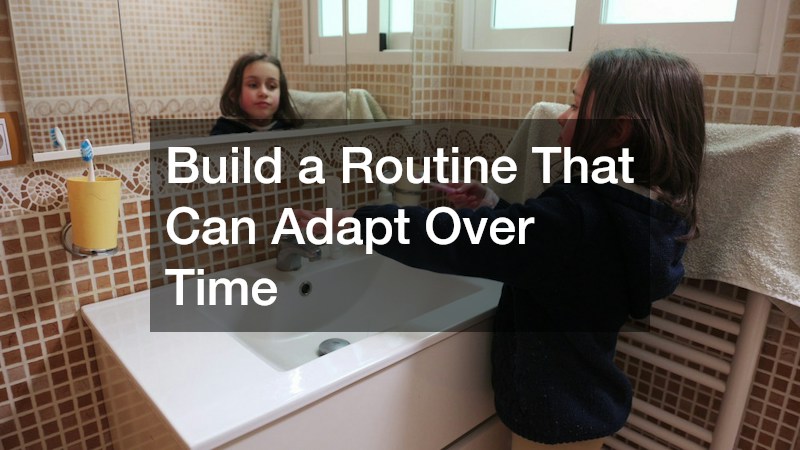
After the first wave of decisions, revisit what is working. A moving plan ends, but childcare schedules, school arrangements, and health appointments continue. Set aside a few minutes each month to review upcoming dates, confirm contact details, and adjust any services that no longer fit your family’s needs.
Create one practical home base for information, whether that is a folder, calendar, or secure digital document. Include provider contacts, school notices, transportation details, and important deadlines. Share information with the other parent as appropriate under your arrangements, using a communication method that keeps logistical details clear and accessible.
Expect some trial and error. A pickup route may take longer than anticipated, a class may not suit your child, or an activity may lose its appeal. Treat those discoveries as information for the next decision rather than evidence that your family should already have everything figured out. Ask children what feels manageable, and reassess without asking them to choose between parents.
Building a satisfying life after divorce is not about replacing every familiar place or establishing a perfect schedule. It is about identifying the support your household actually needs, checking the details before committing, and preserving meaningful connections wherever possible. With a few dependable systems and room for adjustment, your family can develop routines that support everyday life in its new shape.