Divorce is one of the most significant life transitions a family can experience. It often brings emotional stress, financial uncertainty, logistical challenges, and major lifestyle changes for everyone involved. While the legal process may mark the official end of a marriage, it also marks the beginning of a new chapter that requires careful planning and support. Many individuals discover that moving forward successfully involves the guidance of multiple professionals who can help address the many aspects of life that change after separation.
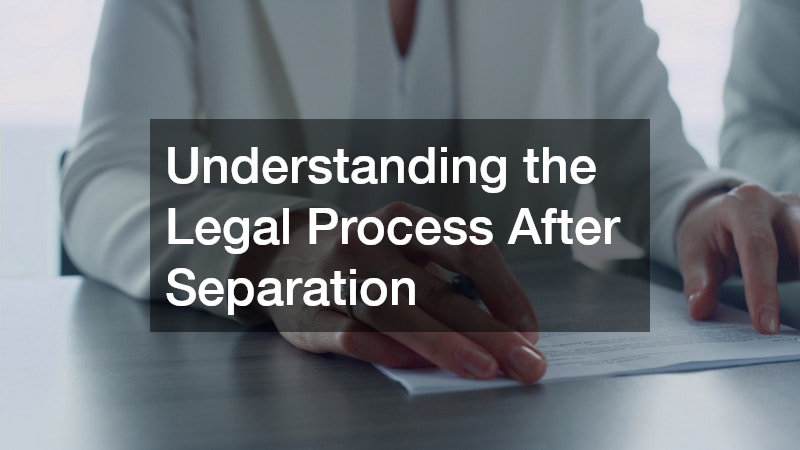
Understanding the Legal Process After Separation
Clarifying Legal Rights and Responsibilities
Once a marriage officially ends, the legal obligations between spouses do not disappear overnight. Issues related to custody arrangements, financial responsibilities, and asset division may continue to require attention. Many individuals continue working with a divorce lawyer even after the final court decision to ensure they understand their rights and responsibilities moving forward. A lawyer may assist with reviewing agreements, explaining court documents, and helping individuals comply with legal requirements that remain in place after the divorce is finalized.
Handling Post-Divorce Modifications
Life circumstances often change after a divorce. Income shifts, relocation, or changes in parenting schedules may require updates to existing agreements. Legal professionals can guide individuals through modification requests and help them determine whether changes must be filed through the court system.
Common reasons for modifications include:
• Changes in employment or income
• Relocation of one parent
• Adjustments to custody or visitation schedules
• Educational or healthcare needs of children
Having legal guidance during these adjustments helps ensure that changes are handled properly and fairly.
Resolving Disputes When They Arise
Even when divorces are handled amicably, disagreements can occasionally occur later. Some individuals turn to mediation, while others seek guidance from a family attorney to resolve disputes. Legal professionals can help review agreements, provide advice on next steps, and work toward solutions that prioritize the well-being of children and both parties involved.
Keeping Documentation Organized
Maintaining organized records is an important step in protecting oneself legally after divorce. Documents such as financial agreements, custody schedules, and court orders should be stored securely. A reputable law office may also maintain copies of important legal filings and assist if documents need to be reviewed in the future.
Supporting Emotional Recovery and Mental Health
Processing the Emotional Impact
Divorce often brings a wide range of emotions, including grief, relief, anxiety, and uncertainty about the future. These feelings can be complex and may affect both adults and children. Working with a psychologist can provide individuals with a safe and supportive space to process emotions and develop healthy coping strategies during this transition.
Developing Healthy Coping Strategies
Professional counseling can help individuals identify patterns of stress and develop constructive ways to manage them. Some strategies often explored during therapy include:
• Practicing mindfulness or stress-management techniques
• Learning communication strategies for co-parenting
• Identifying healthy boundaries in relationships
• Building routines that support emotional stability
With consistent support, individuals often gain clarity and confidence as they rebuild their lives after divorce.
Supporting Children Through Change
Children often experience confusion or sadness when their parents separate. Mental health professionals can help children understand the situation in an age-appropriate way and express their emotions safely. Therapists may also work with parents to improve communication and create a supportive environment that helps children adjust to new routines.
Strengthening Personal Growth
Beyond addressing emotional challenges, counseling can also encourage personal development. Many individuals use this time to reflect on their values, priorities, and future goals. With guidance from a psychologist, they may begin to build a renewed sense of identity and direction.
Making Decisions About Shared Property
Understanding Property Division
Dividing property is one of the most complicated aspects of divorce. Couples must determine how to distribute assets such as homes, investments, and personal belongings. A professional home appraisal is often necessary to determine the accurate value of a shared property before decisions can be made. This process helps ensure that both parties have a clear understanding of the asset’s worth.
Evaluating Housing Options
Once property values are established, individuals may choose to sell the home, transfer ownership to one spouse, or pursue alternative arrangements. Housing decisions depend on factors such as financial stability, children’s needs, and long-term plans.
Possible housing options may include:
• Selling the home and splitting the proceeds
• One partner buying out the other’s share
• Renting the property temporarily
• Keeping the home until children reach a certain age
Carefully reviewing these options helps families make decisions that align with their financial and emotional needs.
Refinancing or Purchasing a New Residence
For some individuals, staying in the family home requires securing a home loan to refinance the property under a single name. Others may choose to move and purchase a new home that better suits their new lifestyle. Financial planning and credit evaluations often play an important role in determining which option is most feasible.
Planning for Financial Stability
Housing costs represent a major portion of most household budgets. After a divorce, individuals may need to reassess their finances, adjust spending habits, and build a new financial plan. Professional guidance during this process can help ensure that housing decisions support long-term financial health.
Adjusting to New Parenting and Childcare Arrangements

Establishing New Routines
Divorce often changes how families structure their daily routines. Parents may need to coordinate schedules carefully to balance work, childcare, and personal responsibilities. For many families, enrolling children in a day care center helps maintain stability and ensures that children continue receiving consistent supervision and care during working hours.
Balancing Work and Parenting
Managing work schedules while caring for children can be challenging during the transition period. Reliable childcare options allow parents to maintain employment while ensuring their children remain in a safe and nurturing environment.
Benefits of structured childcare may include:
• Consistent daily routines for children
• Opportunities for early learning and social development
• Reliable supervision during work hours
• Reduced stress for parents managing busy schedules
These programs can help children maintain a sense of normalcy even as family dynamics change.
Encouraging Social and Creative Activities
Many parents also seek activities that allow children to express themselves and build friendships during the adjustment period. Programs such as art summer camps provide opportunities for children to explore creativity while interacting with peers in a supportive environment. Creative activities can help children process emotions and develop confidence as they adapt to new family structures.
Maintaining Consistency for Children
Children often thrive when they have predictable schedules and familiar environments. By working together to establish routines for school, childcare, and extracurricular activities, parents can help reduce stress and provide stability for their children during the transition.
Navigating Professional Legal Guidance
Understanding the Role of Legal Advisors
Even after the legal process ends, individuals may still need professional legal guidance. A divorce lawyer can help clarify obligations related to custody arrangements, financial responsibilities, and enforcement of court orders. These professionals often provide advice when new circumstances arise, helping individuals understand what steps are necessary to remain compliant with court decisions.
Reviewing Agreements and Legal Documents
After a divorce is finalized, individuals may still need assistance interpreting agreements or reviewing legal documents related to property division, parenting plans, or financial obligations. A family attorney can help ensure that both parties clearly understand the terms outlined in legal documents and can provide guidance if questions arise later.
Addressing Future Legal Concerns
Sometimes new legal questions emerge months or even years after a divorce. Changes in employment, relocation, or evolving family dynamics may require professional guidance. Individuals may revisit their original law office to review documentation or discuss possible legal steps to address new circumstances.
Preventing Future Legal Conflicts
Legal professionals often help individuals avoid future disputes by ensuring agreements are clearly written and properly documented. Careful legal guidance can reduce misunderstandings and provide both parties with clear expectations moving forward. By maintaining access to legal support, families can navigate changes with greater confidence and stability.
Managing Financial Responsibilities After Divorce
Rebuilding a Personal Financial Plan
One of the most significant adjustments after a divorce involves managing finances independently. Many individuals must create new budgets, adjust spending habits, and determine how to maintain financial stability without the combined income they previously relied on. During this process, people often review all income sources, recurring expenses, and future goals. Some individuals consult employee benefits providers to better understand healthcare coverage, retirement plans, and other workplace benefits that may influence financial planning after divorce. These benefits can play a major role in determining overall financial security.
Evaluating Workplace Benefits
Employment benefits can become especially important when individuals transition to single-income households. Many people discover that their workplace offers more resources than they initially realized. These may include health insurance options, retirement contributions, childcare support programs, or financial counseling services. Employee benefits providers often offer guidance that helps individuals understand what coverage is available and how to maximize these resources during major life transitions.
Creating a Long-Term Financial Strategy
Establishing financial stability often requires planning beyond the immediate months following a divorce. Individuals may work toward building emergency savings, reducing debt, or adjusting investment strategies. A clear long-term plan can help individuals feel more confident about future expenses such as education, housing, and retirement.
Tracking Expenses and Financial Goals
Staying organized with financial records can make it easier to track progress and avoid unexpected financial stress. Many individuals benefit from using budgeting tools or financial planning apps that allow them to monitor income and spending. Maintaining detailed financial records can also help if legal or financial questions arise later.
Handling Real Estate and Rental Property Decisions
Determining Whether to Sell or Keep Property
Real estate decisions often play a significant role in life after divorce. Some individuals decide to sell the family home and divide the proceeds, while others prefer to keep the property for stability or investment purposes. The decision typically depends on financial capacity, emotional attachment to the property, and long-term housing goals.
Exploring Rental Opportunities
If keeping the property is not practical, some individuals choose to convert their home into a rental property. In these situations, working with a property management company can help reduce the workload associated with maintaining and renting out the property. Property managers may assist with tenant screening, rent collection, and property maintenance, allowing owners to maintain the investment without managing day-to-day responsibilities.
Understanding Property Management Responsibilities
Managing rental properties involves more than simply collecting rent. Property owners must also maintain the home, address repairs, and comply with local housing regulations. Professional management services often handle these responsibilities on behalf of property owners, ensuring that the property remains in good condition and tenants receive proper support.
Evaluating Long-Term Investment Potential
For some individuals, rental properties become part of a broader financial strategy. Owning real estate can generate passive income and potentially increase long-term wealth if managed properly. Careful planning and professional guidance can help individuals determine whether maintaining a rental property aligns with their financial goals.
Establishing Healthy Co-Parenting Communication

Creating Effective Communication Channels
Co-parenting after divorce requires clear and respectful communication between parents. Establishing consistent communication methods helps reduce misunderstandings and ensures that children’s needs remain the priority. Many families develop shared calendars, messaging systems, or parenting apps to coordinate schedules and share important information.
Setting Boundaries and Expectations
Healthy co-parenting relationships often rely on clear boundaries. Parents may benefit from outlining expectations regarding schedules, decision-making, and communication styles. These agreements help minimize conflict and ensure that both parents remain involved in important aspects of their children’s lives.
Supporting Children’s Emotional Well-Being
Children benefit when parents maintain cooperative relationships, even after separation. Parents who work together to create consistent routines and expectations can help children feel more secure during this transition. Maintaining a calm and supportive environment encourages children to adapt to new family dynamics more comfortably.
Encouraging Positive Family Interactions
Families that prioritize positive interactions often experience smoother adjustments after divorce. This may involve attending school events together when possible, supporting shared parenting decisions, and maintaining open communication about children’s needs and development.
Building New Household Routines
Establishing Daily Structure
When families separate, daily routines often shift significantly. Creating a new household structure helps individuals maintain stability and productivity. Establishing consistent schedules for work, meals, school activities, and household responsibilities can make the transition smoother for both parents and children.
Organizing Household Responsibilities
Managing a household independently may require learning new responsibilities or redistributing existing ones. Some individuals take this opportunity to reorganize their homes, simplify daily tasks, and create systems that make everyday life easier to manage.
Encouraging Personal Independence
Life after divorce often encourages individuals to develop new skills and routines. Learning to manage finances, household tasks, and parenting responsibilities independently can foster confidence and self-reliance over time.
Prioritizing Health and Well-Being
Maintaining physical and emotional well-being is an essential part of rebuilding life after divorce. Many individuals prioritize activities such as exercise, hobbies, and social connections that contribute to overall health and happiness.
Planning for a New Future

Setting Personal Goals
Divorce can serve as a turning point that encourages individuals to reflect on their long-term aspirations. Some people focus on career advancement, educational opportunities, or new personal interests. Setting clear goals helps individuals maintain motivation and build a sense of purpose during the transition.
Strengthening Support Networks
Support systems often play an important role in helping individuals move forward after divorce. Friends, family members, mentors, and community groups can provide encouragement, guidance, and companionship during challenging times.
Exploring New Opportunities
Life changes often open doors to new experiences. Many individuals discover opportunities for personal growth, travel, education, or community involvement that they may not have considered previously.
Creating a Positive Vision for the Future
Developing a positive outlook can make a significant difference during life transitions. By focusing on growth, stability, and personal well-being, individuals can begin building a future that reflects their values and aspirations.
Moving forward after a divorce often requires time, patience, and thoughtful planning. While the transition can feel overwhelming at first, many individuals eventually find that this period offers an opportunity to rebuild stability and rediscover personal goals. By taking proactive steps and seeking guidance when necessary, families can gradually create new routines and establish a sense of balance in their lives.